

Recovery has become one of the fastest-growing trends in health and wellness.
Not long ago, recovery was something most people associated with professional athletes or physical therapy. Today, it’s become part of everyday life for millions of Americans.
Whether someone spends long hours working on their feet, enjoys weekend hikes, exercises regularly, or simply wants to stay active as they age, recovery has become an important part of maintaining an active lifestyle.
As a result, consumers are exploring a wider variety of products and wellness routines than ever before.
Recovery Looks Different for Everyone
There’s no single definition of recovery.
For one person, it may involve stretching after exercise.
For another, it could mean improving sleep habits, staying hydrated, scheduling massage therapy, or spending time relaxing after a demanding workday.
Others explore wellness products designed to complement their daily routines, including topical creams, herbal supplements, and cannabis-derived products available where permitted by law.
The common goal remains the same: helping the body recover from everyday physical demands.
Consumers Are Taking a Proactive Approach
Rather than waiting until discomfort becomes overwhelming, many people are choosing to make recovery part of their regular routine.
This shift reflects a larger movement toward preventive wellness and self-care.
People increasingly understand that small, consistent habits often contribute to long-term health more effectively than waiting until problems become more serious.
That growing mindset has fueled demand across multiple wellness industries.
Cannabis Continues to Be Part of the Conversation
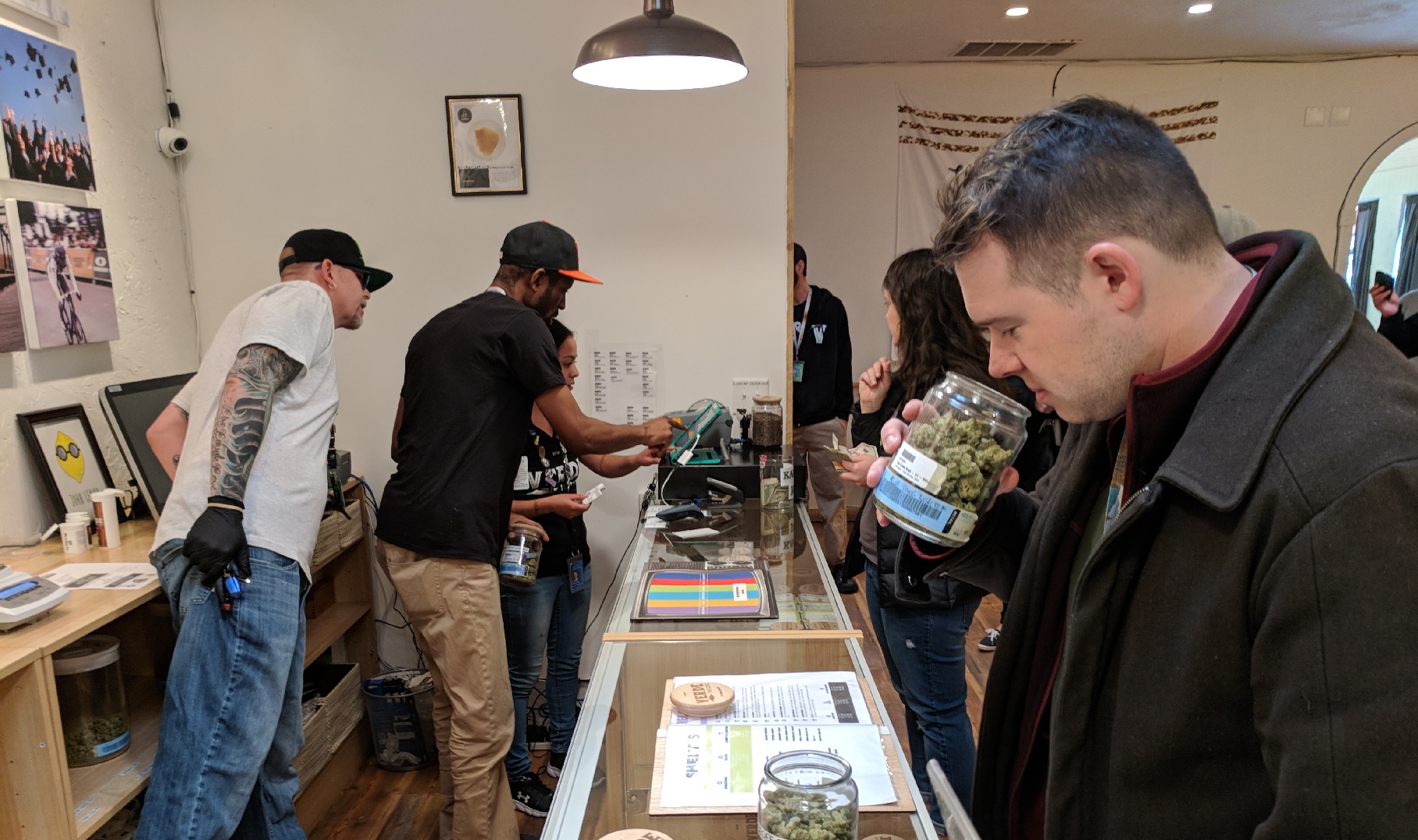
As cannabis laws continue evolving across many states, consumers are asking more questions about available products and how they may fit into broader wellness routines.
Dispensaries now offer a wide variety of products, including:
- CBD topicals
- THC and CBD flower
- Tinctures
- Gummies
- Capsules
- Vaporizers
- Topical balms and creams
While research into cannabis continues to evolve and products affect individuals differently, many consumers appreciate having access to knowledgeable dispensary staff who can explain available options and applicable regulations.
Understanding the Recovery Economy
The growing interest in recovery extends well beyond cannabis.
Massage devices, compression gear, mobility equipment, nutritional supplements, recovery footwear, wellness technology, and topical products have all experienced increased consumer demand.
This broader trend is explored in Why Americans Are Spending More on Recovery Than Ever Before, which examines why recovery has become a major priority for consumers and how spending habits are changing across the wellness industry.
Choosing Quality Matters
As the wellness marketplace continues expanding, consumers have more choices than ever before.
That’s why many experienced shoppers take time to research brands, compare products, review independent lab testing when available, and seek guidance from reputable dispensaries before making purchasing decisions.
Quality, transparency, and education have become important factors for consumers looking to make informed choices.
Finding the Right Dispensary
For individuals interested in exploring cannabis products where they are legally available, choosing a trusted dispensary can make a significant difference.
Experienced staff can answer questions about product categories, cannabinoid profiles, consumption methods, and local regulations while helping customers understand the differences between available options.
Directories that connect consumers with licensed dispensaries also make it easier to compare locations and discover businesses that prioritize education and customer service.
Wellness Is Becoming More Personal
Every person’s recovery routine is unique.
Some rely on exercise and stretching.
Others prioritize nutrition and sleep.
Many combine multiple approaches to support their overall well-being.
As Americans continue investing in healthier lifestyles, one thing is becoming increasingly clear:
Recovery is no longer viewed as an occasional luxury.
For millions of people, it’s become an essential part of staying active, maintaining balance, and enjoying everyday life.